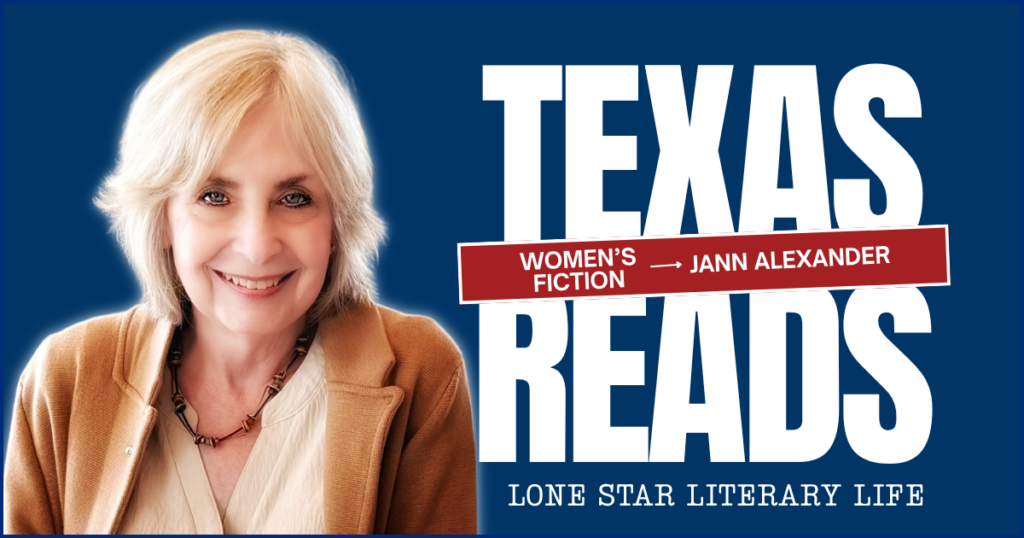
Texas Reads Women’s Fiction with Jann Alexander
Like a Texas road trip that can seem daunting, women’s fiction is all about the journey. Both are colorful, fun, informative, and often challenging along the way. At journey’s end, everyone’s been changed.
Women’s fiction requires the crux of the story to be the emotional journey of the protagonist, who evolves over the course of the novel. And it intersects with other genres, too, when it’s placed in a historical or fantasy or sci-fi setting.
With its relatable life themes, women’s fiction excels with characters undergoing transformative journeys. When cloaked as historical fiction, like my novel, Unspoken: Secrets and Survival in the Texas Dust Bowl, women’s fiction is nonetheless recognizable to female readers, who’ve had similar experiences, relationships, and life stages—no matter the era. Women’s fiction appeals to me for its charged realism, too, like my contemporary novel Vacancy: Secrets and Second Chances in Small-Town Texas, in the way it tackles family dynamics, while portending hopefulness despite difficult circumstances.
This spring, I took myself on a women’s fiction road trip, reading these realistic, emotional tales from times past, all debuts by Texas authors:
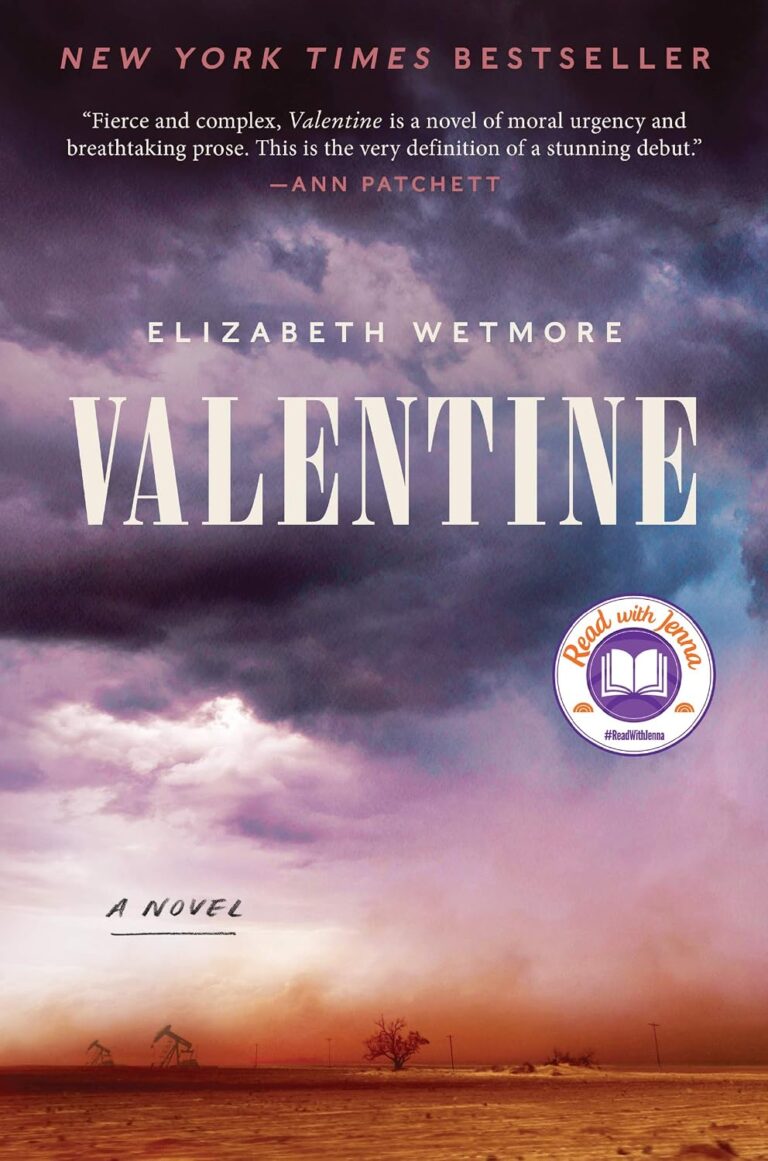
Valentine (Elizabeth Wetmore)
Valentine, written by West Texas native Elizabeth Wetmore, is a harrowing story set in 1976 in Odessa, Texas that “explores the lingering effects of a brutal crime while illuminating women’s strength and vulnerability.”
In a New York Times interview, the author talks about the town where she grew up, in West Texas. “It took me a long time to be able to see the place clearly. I had to fall back in love with the land and the people in a way that made it possible to write with nuance and sympathy.”
Wetmore has written a debut that’s “a haunting exploration of the intersections of violence and race, class and region in a story that plumbs the depths of darkness and fear, yet offers a window into beauty and hope.” (from the publisher)
Valentine is gripping, realistic, and doesn’t shy from emotional impacts, with the relationship dynamics women’s fiction readers love.
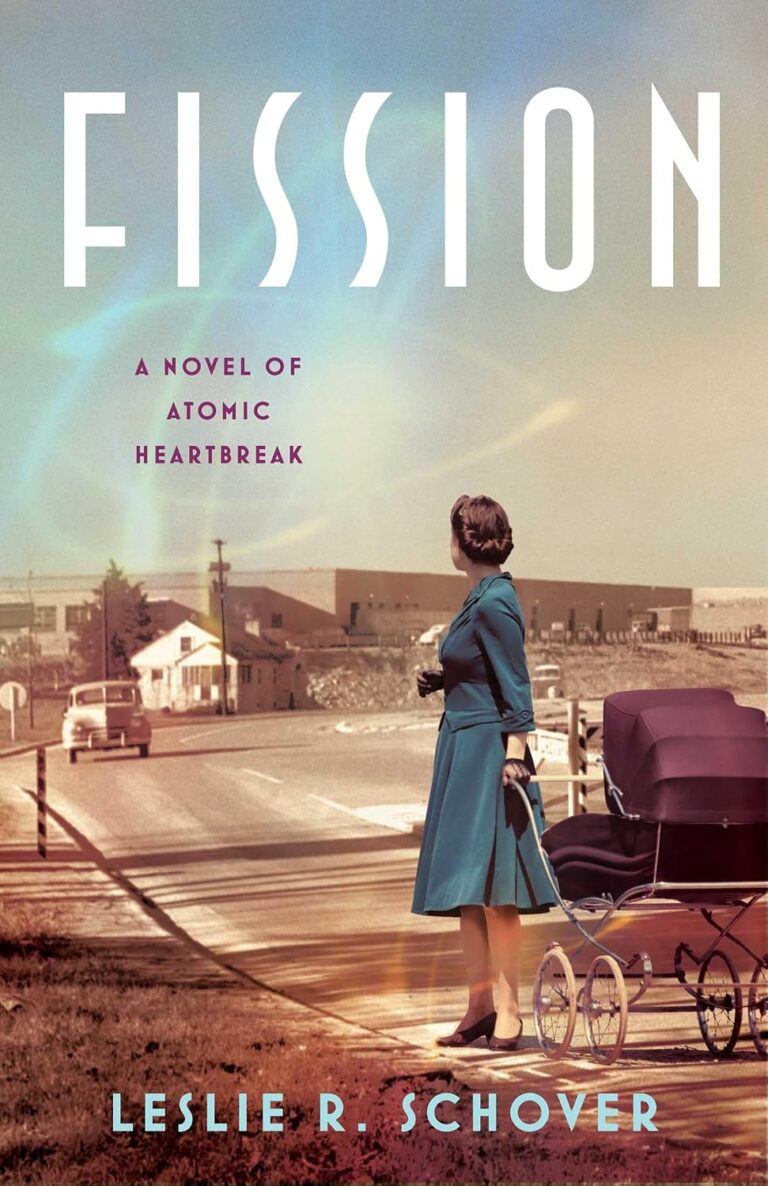
Fission: A Novel of Atomic Heartbreak (Leslie R. Schover)
Leslie R. Schover’s novel, Fission: A Novel of Atomic Heartbreak, is based in part on her parents’ stories of life during the Manhattan Project in Oak Ridge, Tennessee.
“I had long wanted to do something with my parents’ Oak Ridge stories,” the long-time Houston resident, a retired MD Anderson psychologist, says. “I was inspired when news broke several years ago about two, previously unknown Soviet spies at Oak Ridge, Oscar Seborer and George Koval. I wondered if my parents had known either one?”
Like fission splits an atom’s nucleus, the marriage of Fission’s protagonist threatens to break her heart in two. She struggles to nurture her daughter while her husband works around the clock. As she tries to withstand her loneliness, she falls for an army engineer—only to realize that he may be a Soviet spy. (from the publisher)
“Whether I write about nuclear fission or nuclear families,” Schover says, “I always write about the chain reactions sparked in relationships.” Schover’s themes are relatable to women’s fiction readers who’ve struggled with a newborn or with marriage dynamics.
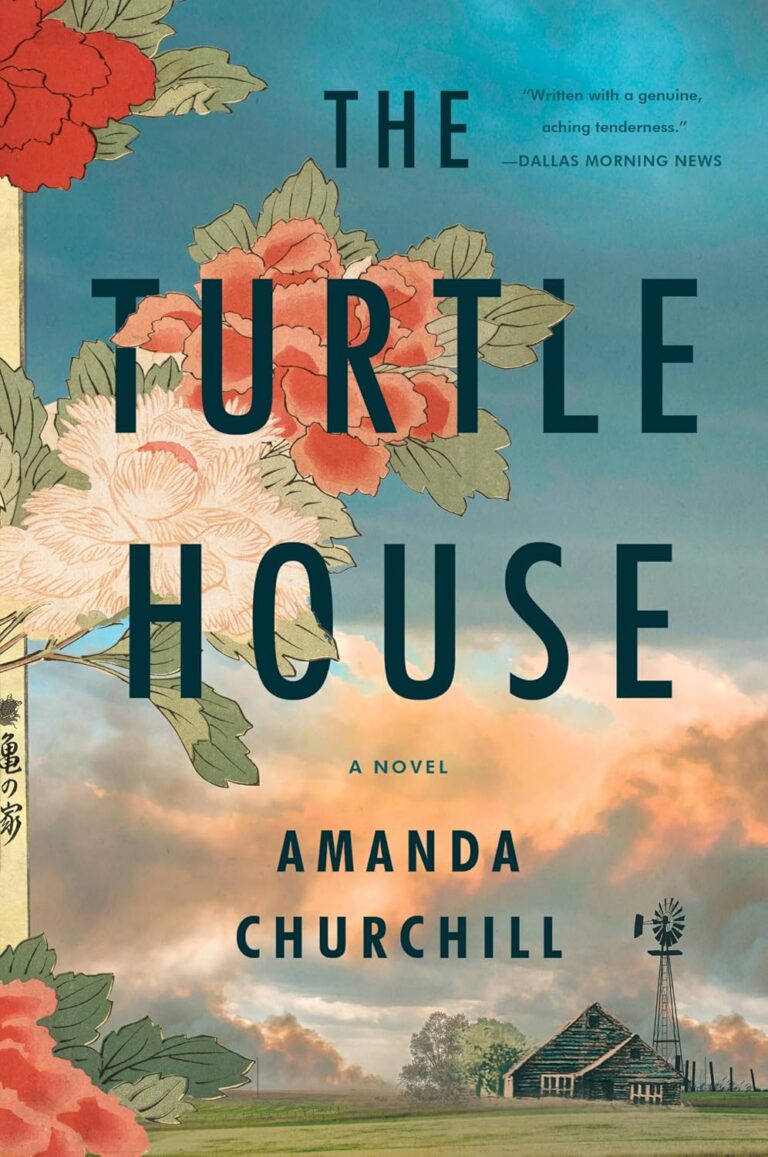
The Turtle House (Amanda Churchill)
Texas author Amanda Churchill’s grandmother (who said, “this would make real good book one day,” as she was dying), inspired The Turtle House, and images from the past inspired her writing, including a photograph near her grandmother’s hometown in Osaka Prefecture, Japan.
In The Turtle House, a Japanese-American grandmother and her granddaughter connect over a beloved lost place, and the secrets they each carry. The grandmother, a Japanese war bride by necessity, came to small-town Texas with her military husband and their children in the 1950s. Her book explores family connections, intergenerational trauma, the meaning of home, and the damage done by secrets—themes found in women’s fiction.
While Churchill’s novel is fiction, the University of North Texas graduate modeled one character on her teen years and the other protagonist after her own grandmother. Other family member in her book were “very much like my own. A grandfather who is distant at best, and abusive at worst. There is a granddaughter, begging to know more. There are an aunt and a father, Americanized, accidentally separated from their mother, not by geography, but by memory and culture. And there is a lost love. The one never forgotten.”
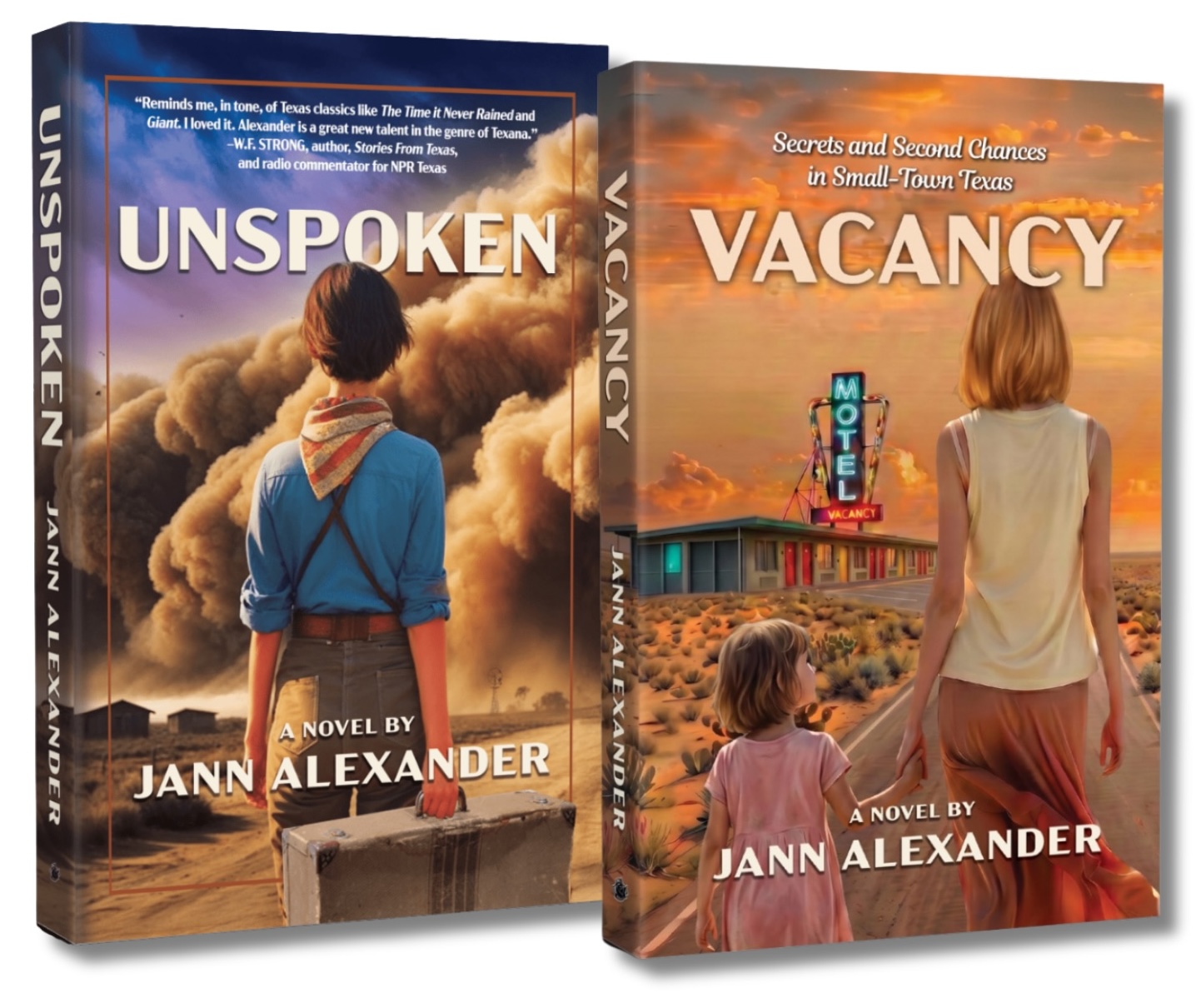
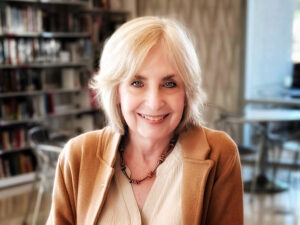
Jann Alexander is an author, photographer, and public speaker on all things Texas history. She’s a 22-year resident of central Texas and creator of the Vanishing Austin photography series. Her lifelong storytelling habit and her more recent passion for Texas history merged in 2025 to become the historical novel Unspoken, set in the Texas Panhandle during the Dust Bowl and Great Depression, and is her first book in The Dust Series. Vacancy, releasing in September 2026, is the second novel in the series. She holds a B.S. from the University of Maryland. When Jann is not reading, writing, or creating, she bikes, hikes, skis, and kayaks. Jann always brakes for historical markers.